Introduction: The Concept of Evil
The concept of evil has fascinated theologians, philosophers, and scholars across cultures and epochs. At the core of this exploration lies the question of what constitutes evil and how it manifests within the human experience. Theological perspectives often view evil as a fundamental element in the larger framework of good and evil, creating a dichotomy that has profound implications for moral philosophy and ethical behavior. Just as light is defined in contrast to darkness, so too is good understood through the lens of evil.
Historically, societies have forged their understanding of evil through mythologies, religious teachings, and moral narratives. In many cultures, evil is frequently personified in deities or forces that embody chaos, destruction, or malevolence, serving as a counterpoint to moral order and divine justice. This leads to the philosophical discourse surrounding the nature of evil—whether it is an innate quality of certain individuals or a byproduct of societal constructs and environmental influences.
In Western thought, early philosophers like Plato approached the idea of evil from a metaphysical perspective, viewing it as a privation of good. Conversely, figures such as Aristotle examined the role of choice and free will in the perpetuation of evil acts, suggesting that moral education and virtue could combat such tendencies. These philosophical underpinnings have shaped theological interpretations, seen vividly in the works of Augustine and Aquinas, who explored evil in relation to divine providence and human agency.
Moreover, the representation of evil has transcended mere philosophical discourse, finding expression in literature, art, and popular culture. From Dante’s Inferno to contemporary films, the trope of the devil and the personification of evil reflect societal anxieties and fears, often invoking a deeper understanding of the human condition. Thus, the portrayal of evil not only illuminates cultural values but also provides insights into how societies grapple with the complexities of morality and human nature.
Lucifer: The Angel of Light
Lucifer, often referred to as the “Angel of Light,” holds a prominent position within Christian theology and literature. According to biblical tradition, Lucifer was created by God as one of the most beautiful and powerful angels in Heaven. His name, derived from the Latin meaning “light-bringer” or “morning star,” directly reflects his radiant nature and significant role within the heavenly hierarchy.
In the pre-fall narrative, Lucifer was entrusted with vital responsibilities, including the protection of God’s throne and the illumination of divine truth. He symbolized wisdom and understanding, considered a close advisor to God—a figure whose brilliance was matched only by his extraordinary gifts. This unique connection to light not only enhanced his beauty but also established him as a source of spiritual enlightenment for other angels and, by extension, for humanity.
Lucifer’s significance extends beyond mere aesthetics; he served as a mediator of God’s divine messages, guiding creation in righteousness and truth. His authority over the choir of angels emphasized the essence of obedience and faithfulness to the Creator. This stature made his eventual fall even more tragic, marking a pivotal moment in theological narratives about pride and rebellion against divine order.
As an angel imbued with light, Lucifer also provided an essential function in the celestial realm—it was through his presence that the concept of light was personified. This duality of being both a bringer of light and eventually the archetype of darkness raises profound questions about free will, temptation, and the nature of evil. Thus, understanding Lucifer’s character offers both spiritual insights and a cautionary tale within theological discourse.
The Fall from Grace: Rebellion in Heaven
The narrative of Lucifer’s rebellion is a profound tale steeped in theological lore, encapsulating the struggle between good and evil. According to various religious texts, notably the Christian tradition, Lucifer was originally an archangel, the most beautiful and revered among God’s creations. His elevated status and radiant nature led to a sense of pride that ultimately fueled his desire for autonomy and supremacy over the Creator.
The story unfolds with Lucifer and his legion of angels, who shared in his discontent as they grew increasingly envious of humanity. They resented the idea that humans were made in God’s image, believing it diminished their own glory. Lucifer’s motivation stemmed from a longing for equality with God, a pursuit that set the stage for a monumental conflict in the heavenly realms.
This insurrection escalated into a substantial war in heaven, pitting Lucifer and his followers against the loyal angels led by the archangel Michael. The biblical accounts, particularly in the Book of Revelation, depict this celestial war as a fierce and tumultuous event. As the clash raged, Lucifer’s ambition collided with divine authority, ultimately leading to his defeat. Michael and his angels prevailed, bringing an end to the rebellion and forcing Lucifer and his followers from the heavens.
The aftermath of this conflict was consequential, marking a definitive transformation in the spiritual hierarchy. Lucifer, now cast out, assumed the title of Satan, the adversary, and was condemned to roam the earth, perpetuating his rebellion against God’s creation. This fall from grace not only illustrates the dangers of pride and rebellion but also serves as a cautionary tale about the consequences of defying divine order.
Transformation into Satan: Becoming the Devil
The transformation of Lucifer into Satan represents a significant shift in the narrative of his existence, symbolizing the transition from divine light to profound darkness. Initially, Lucifer was renowned as a figure of immense beauty and wisdom, a favored archangel noted for his brilliant illumination and proximity to the divine. However, this status changed dramatically due to his pride and desire for autonomy, leading to his eventual fall from grace.
As he transformed into Satan, he became known as the adversary, a title that underscores his opposition not only to God but also to humanity. This new identity came with the embodiment of attributes such as deceit, temptation, and malevolence. These characteristics solidified his role as the eternal antagonist in theological narratives, posing a challenge to faith and righteousness. The evolution of Lucifer into Satan illustrates the concept of rebellion and its consequences, emphasizing the dichotomy between good and evil.
Moreover, the implications of Lucifer’s transformation extend beyond mere representation; they delve deep into the psychology of rebellion and the traits associated with adversarial figures in various religious doctrines. As Satan, he embodies the ultimate challenger, invoking fear and seduction through his cunning and manipulation. Over time, this persona has evolved into an archetype found in many cultural and literary contexts, symbolizing the struggle against authority and the internal battle between temptation and virtue.
In summary, the metamorphosis of Lucifer into Satan serves as a profound narrative illustrating the complexities of power, pride, and the eternal human struggle against darkness. The duality of light and darkness encapsulated in this transformation resonates throughout religious texts, providing commentary on the nature of evil and its influence on the human condition.
Symbolism and Representations of the Devil
The representation of the devil varies significantly across cultures and eras, highlighting not only the evolution of societal values but also the diverse meanings enveloped within the figure. In early Christian art, the devil is often depicted as a monstrous being, a grotesque caricature aiming to embody chaos and evil. These portrayals echo through various medieval manuscripts, where demons are frequently illustrated to symbolize temptation and sin. Such imagery serves as a moral warning, reinforcing the dichotomy of good versus evil.
In literature, the devil emerges in multifaceted roles, often embodying both the antagonist and a more complex character. John Milton’s “Paradise Lost” presents Satan with a tragic dignity, challenging the traditional representation of the devil as purely evil. This nuanced portrayal provokes a reflection on freedom, rebellion, and the nature of sin. Similarly, in Dante Alighieri’s “Inferno,” the devil is depicted not just as the source of evil but is intricately woven into the narrative of human folly and despair.
Modern interpretations of the devil have shifted towards more secular and psychological representations. In contemporary media, the figure often signifies internal struggles rather than an external force of evil. Films like “The Exorcist” or series such as “Supernatural” interpret the devil through the lens of horror, emphasizing the human response to fear and moral decay. Furthermore, literary works such as Goethe’s “Faust” explore the allure of power and temptation, suggesting a more introspective approach to understanding the devil’s symbolism.
Thus, the devil serves not solely as a symbol of malevolence but as a reflection of humanity’s broader existential questions. Each cultural retelling enriches the complex tapestry of the devil’s symbolism, enduringly captivating society’s imagination across the centuries.
Theological Perspectives on the Devil
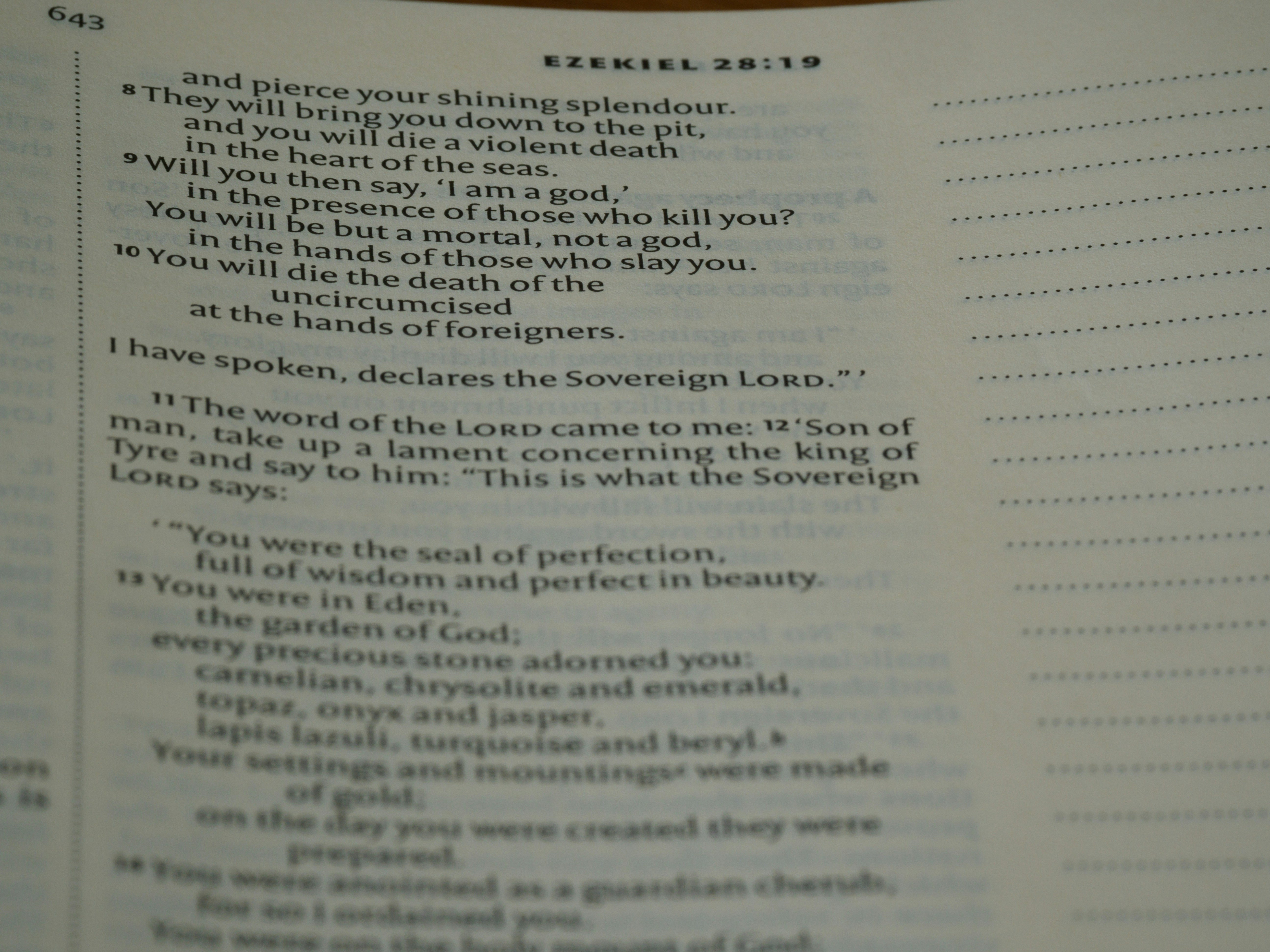
The concept of the devil, often referred to as the embodiment of evil or temptation, varies significantly across major religions. In Christianity, the devil is frequently portrayed as Satan, a fallen angel who rebelled against God. This interpretation is rooted in various biblical texts, such as the Book of Isaiah and the Book of Revelation, which describe his fall from grace and subsequent role as an adversary of humanity. The New Testament further elaborates on the devil’s actions, highlighting temptations faced by Jesus, symbolizing the continuous struggle between good and evil.
In contrast, Islamic teachings regard Iblis as the equivalent of the devil. According to the Quran, Iblis was created from smokeless fire and refused to bow to Adam, defying God’s command. This act of disobedience led to his expulsion from paradise. Unlike the Christian perspective, which often emphasizes the devil’s active role in temptation and sin, Islam focuses on Iblis as a deceiver whose influence tests human faith and piety. The Quran stresses individual responsibility, indicating that while Iblis can mislead, it is ultimately up to the believer to resist temptation.
Judaism, on the other hand, presents a more nuanced view of the devil. The figure of Satan, or “the accuser,” appears in various texts, representing a role within God’s divine plan rather than an independent source of evil. In Jewish thought, Satan acts as a heavenly prosecutor, challenging the integrity of individuals and stimulating moral growth. This perspective reflects a belief in the duality of human nature, where temptation serves as a means to strengthen one’s commitment to righteousness.
These theological differences illustrate the multifaceted interpretations of the devil within Christianity, Islam, and Judaism. Each tradition provides profound insights into the nature of evil, the human experience, and the divine order, contributing to a rich tapestry of beliefs surrounding this complex figure.
The Devil in Folklore and Mythology
The devil, a figure deeply embedded in folklore and mythology, represents various societal fears and moral lessons across a multitude of cultures. These narratives often reflect the struggles of humanity with themes such as good versus evil, temptation, and moral responsibility. For instance, in Judeo-Christian traditions, the devil is often embodied in the figure of Satan, whose rebellion against God leads to his fall from grace, establishing a canonical archetype of evil that influences countless stories about sin and punishment.
In a broader context, many cultures have their own interpretations of malevolent figures akin to the devil. In Hindu mythology, for example, the demon King Ravana showcases traits that align with the archetype of the devil—it embodies pride, arrogance, and the disruption of cosmic order. This narrative serves to teach moral lessons rooted in the consequences of unethical behavior, emphasizing that, like Ravana, individuals can succumb to their darker desires and ultimately face retribution.
Folklore also features various trickster figures, such as the Norse god Loki or the African spirit Anansi, who use cunning and deception, often leading characters astray. These figures reflect societal anxieties about betrayal and the unpredictable nature of evil. Such tales act as cautionary warnings, illustrating the importance of wisdom and virtue in navigating life’s complexities.
Furthermore, many indigenous cultures incorporate stories of spirits or entities that embody dualistic natures, demonstrating that while evil exists, the potential for redemption and enlightenment is always present. The devil, across these narratives, remains a powerful symbol, representing internal struggles and the moral dilemmas faced by individuals throughout history. Ultimately, these diverse interpretations of the devil in folklore and mythology not only enrich our understanding of dark forces but also provide insights into the collective psyche of various societies.
Contemporary Views on the Devil
Modern society’s interpretation of the devil often transcends traditional religious connotations, evolving towards a more psychological and cultural perspective. Psychological interpretations suggest that the figure of the devil embodies humanity’s darker impulses and moral dilemmas. This interpretation can be seen in various psychological theories, including those that explore the duality of human nature. In this context, the devil may represent the subconscious struggle against societal norms, reflecting inner conflicts and moral choices.
In popular culture, the image of the devil has been redefined through music, literature, film, and television. Characters inspired by the devil often serve as metaphors for rebellion, temptation, and the complexity of human morality. This has led to iconic figures like the Devil as a charming seducer or the rebellious antihero challenging societal expectations. Such portrayals highlight the fascination and fear that the concept of the devil evokes, illustrating the conflicting emotions tied to this age-old figure.
Moreover, contemporary issues such as crime, corruption, and interpersonal conflicts often lead to the invocation of the devil as a symbol of evil in society. This symbolism can serve as a reflection of the challenges faced in modern times, allowing society to identify and address the darker aspects of human behavior. In various social movements, the devil is sometimes used to represent oppressive systems or moral failings within a community, reinforcing the notion that the image of the devil adjusts according to societal needs and fears.
As we continue to navigate moral complexities and personal struggles, the figure of the devil remains relevant, adapting to reflect our cultural narratives and psychological realities. This ongoing evolution invites both reflection and discussion about the nature of good and evil in contemporary society.
Conclusion: The Legacy of the Devil
The figure of the devil has traversed a complex historical and cultural landscape, emerging as a powerful symbol of evil and moral conflict in various societies around the globe. Over the centuries, the devil has encapsulated humanity’s fears, desires, and moral quandaries, serving as a representation of the struggle between good and evil. This duality has allowed the devil to migrate across different cultures and religions, taking on diverse characteristics that reflect the values and beliefs of the societies that revere or vilify him.
In Judeo-Christian traditions, the devil is often personified as the ultimate antagonist, opposing divine authority and leading humanity toward sin. This portrayal has significant implications for moral teachings within these religions. The devil’s role as a tempter not only illustrates the dangers of moral transgression but also reinforces the importance of free will in the face of temptation. As societies evolved, so too did interpretations of the devil, with many contemporary thinkers examining his influence through the lenses of psychology, philosophy, and sociology, further embedding him in the fabric of human consciousness.
In modern discourse, the legacy of the devil transcends religious frameworks, becoming a means to discuss broader themes of morality and ethical dilemmas. The archetype of the devil surfaces in literature, film, and art, serving as a tool for critique and reflection on societal issues. Moreover, contemporary discussions about good and evil often invoke the devil’s image, suggesting that the understanding of this figure continues to shape moral compasses and community values.
In conclusion, the legacy of the devil remains a significant aspect of cultural identity and reflection in contemporary society. Their enduring presence highlights the ongoing struggle against moral ambiguity, challenging individuals and communities to navigate the complexities of ethical living in a diverse and often contradictory world.
