






Item specifics
- Condition
- Brand
- Unbranded
- MPN
- Does not apply
- ISBN
- 9780195130089
- Book Title
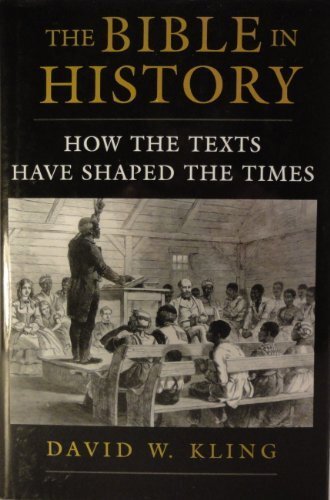
- Bibles in History : How the Texts Have Shaped the Times
- Publisher
- Oxford University Press, Incorporated
- Item Length
- 6.3 in
- Publication Year
- 2004
- Format
- Hardcover
- Language
- English
- Item Height
- 1.4 in
- Author
- David W. Kling
- Genre
- Religion
- Topic
- Christian Church / History, General, Biblical Studies / General
- Item Weight
- 24.7 Oz
- Item Width
- 9.1 in
- Number of Pages
- 408 Pages
The Bible in History: How the – Hardcover – VERY GOOD
About this product
Product Identifiers
Publisher
Oxford University Press, Incorporated
ISBN-10
0195130081
ISBN-13
9780195130089
eBay Product ID (ePID)
6023219
Product Key Features
Book Title
Bibles in History : How the Texts Have Shaped the Times
Number of Pages
408 Pages
Language
English
Publication Year
2004
Topic
Christian Church / History, General, Biblical Studies / General
Genre
Religion
Format
Hardcover
Dimensions
Item Height
1.4 in
Item Weight
24.7 Oz
Item Length
6.3 in
Item Width
9.1 in
Additional Product Features
Intended Audience
Trade
LCCN
2003-012106
Reviews
“David Kling has attempted a foolhardy thing–he has tried to illuminate the ubiquitous presence of the Bible in Western history by treating only eight specific texts as they have been understood across the centuries. Remarkably, the book succeeds and succeeds very well. By attendingcarefully to multiple, often contradictory interpretations of Holy Scripture, Kling explains a very great deal about those who have put the Bible to use. He may explain even more about the enduring attraction of Scripture itself.” –Mark A. Noll, author of Americas God: From Jonathan Edwards toAbraham Lincoln, “David Kling has attempted a foolhardy thing–he has tried to illuminatethe ubiquitous presence of the Bible in Western history by treating only eightspecific texts as they have been understood across the centuries. Remarkably,the book succeeds and succeeds very well. By attending carefully to multiple,often contradictory interpretations of Holy Scripture, Kling explains a verygreat deal about those who have put the Bible to use. He may explain even moreabout the enduring attraction of Scripture itself.” –Mark A. Noll, author ofAmericas God: From Jonathan Edwards to Abraham Lincoln, “David Kling’s book takes the Bible seriously as the church’s book at thesame time as it shows how the church has interpreted the Bible differently overtime. Kling’s book will help Christians and others understand how the church’sunderstanding of the Bible has both shaped and been shaped by history.”–TimothyWeber, President, Memphis Theological Seminary, “[David W. Kling] has many good stories to tell, and he tells them very well. His informative and often entertaining survey illustrates a fascinating approach to biblical studies and to history in general.”–America “David Kling has attempted a foolhardy thing–he has tried to illuminate the ubiquitous presence of the Bible in Western history by treating only eight specific texts as they have been understood across the centuries. Remarkably, the book succeeds and succeeds very well. By attending carefully to multiple, often contradictory interpretations of Holy Scripture, Kling explains a very great deal about those who have put the Bible to use. He may explain even more about the enduring attraction of Scripture itself.” –Mark A. Noll, author ofAmericas God: From Jonathan Edwards to AbrahamLincoln “David Kling has written a fascinating and accessible account of the way in which biblical texts left their mark in the history and culture of the past. The book focuses on crucial moments in Christian history from the origin of monasticism to the ordination of women and on key figures from Bernard of Clairvaux to Martin Luther. The result is a readable and informative introduction to the history of biblical interpretation, which both beginning students and advanced scholars can read with profit.”–David C. Steinmetz, Amos Ragan Kearns Professor of the History of Christianity, The Divinity School, Duke University “David Kling’s book takes the Bible seriously as the church’s book at the same time as it shows how the church has interpreted the Bible differently over time. Kling’s book will help Christians and others understand how the church’s understanding of the Bible has both shaped and been shaped by history.”–Timothy Weber, President, Memphis Theological Seminary, “David Kling has written a fascinating and accessible account of the wayin which biblical texts left their mark in the history and culture of the past.The book focuses on crucial moments in Christian history from the origin ofmonasticism to the ordination of women and on key figures from Bernard ofClairvaux to Martin Luther. The result is a readable and informativeintroduction to the history of biblical interpretation, which both beginningstudents and advanced scholars can read with profit.”–David C. Steinmetz, AmosRagan Kearns Professor of the History of Christianity, The Divinity School, DukeUniversity, “[David W. Kling] has many good stories to tell, and he tells them very well. His informative and often entertaining survey illustrates a fascinating approach to biblical studies and to history in general.”–America”David Kling has attempted a foolhardy thing–he has tried to illuminate the ubiquitous presence of the Bible in Western history by treating only eight specific texts as they have been understood across the centuries. Remarkably, the book succeeds and succeeds very well. By attending carefully to multiple, often contradictory interpretations of Holy Scripture, Kling explains a very great deal about those who have put the Bible to use. He may explain even more about the enduring attraction of Scripture itself.” –Mark A. Noll, author of Americas God: From Jonathan Edwards to Abraham Lincoln”David Kling has written a fascinating and accessible account of the way in which biblical texts left their mark in the history and culture of the past. The book focuses on crucial moments in Christian history from the origin of monasticism to the ordination of women and on key figures from Bernard of Clairvaux to Martin Luther. The result is a readable and informative introduction to the history of biblical interpretation, which both beginning students and advanced scholars can read with profit.”–David C. Steinmetz, Amos Ragan Kearns Professor of the History of Christianity, The Divinity School, Duke University”David Kling’s book takes the Bible seriously as the church’s book at the same time as it shows how the church has interpreted the Bible differently over time. Kling’s book will help Christians and others understand how the church’s understanding of the Bible has both shaped and been shaped by history.”–Timothy Weber, President, Memphis Theological Seminary, “David Kling’s book takes the Bible seriously as the churchs book at thesame time it shows how the church has interpreted the Bible differently overtime. Klings book will help Christians and others understand how the churchsunderstanding of the Bible has both shaped and been shaped by history.”–TimothyWeber, President, Memphis Theological Seminary, “[David W. Kling] has many good stories to tell, and he tells them very well. His informative and often entertaining survey illustrates a fascinating approach to biblical studies and to history in general.”–America, “[David W. Kling] has many good stories to tell, and he tells them very well. His informative and often entertaining survey illustrates a fascinating approach to biblical studies and to history in general.”– America “David Kling has attempted a foolhardy thing–he has tried to illuminate the ubiquitous presence of the Bible in Western history by treating only eight specific texts as they have been understood across the centuries. Remarkably, the book succeeds and succeeds very well. By attending carefully to multiple, often contradictory interpretations of Holy Scripture, Kling explains a very great deal about those who have put the Bible to use. He may explain even more about the enduring attraction of Scripture itself.” –Mark A. Noll, author of Americas God: From Jonathan Edwards to Abraham Lincoln “David Kling has written a fascinating and accessible account of the way in which biblical texts left their mark in the history and culture of the past. The book focuses on crucial moments in Christian history from the origin of monasticism to the ordination of women and on key figures from Bernard of Clairvaux to Martin Luther. The result is a readable and informative introduction to the history of biblical interpretation, which both beginning students and advanced scholars can read with profit.”–David C. Steinmetz, Amos Ragan Kearns Professor of the History of Christianity, The Divinity School, Duke University “David Kling’s book takes the Bible seriously as the church’s book at the same time as it shows how the church has interpreted the Bible differently over time. Kling’s book will help Christians and others understand how the church’s understanding of the Bible has both shaped and been shaped by history.”–Timothy Weber, President, Memphis Theological Seminary, “David Kling’s book takes the Bible seriously as the church’s book at the same time as it shows how the church has interpreted the Bible differently over time. Kling’s book will help Christians and others understand how the church’s understanding of the Bible has both shaped and been shaped byhistory.”–Timothy Weber, President, Memphis Theological Seminary, “[David W. Kling] has many good stories to tell, and he tells them very well. His informative and often entertaining survey illustrates a fascinating approach to biblical studies and to history in general.”–America “David Kling has attempted a foolhardy thing–he has tried to illuminate the ubiquitous presence of the Bible in Western history by treating only eight specific texts as they have been understood across the centuries. Remarkably, the book succeeds and succeeds very well. By attending carefully to multiple, often contradictory interpretations of Holy Scripture, Kling explains a very great deal about those who have put the Bible to use. He may explain even more about the enduring attraction of Scripture itself.” –Mark A. Noll, author of Americas God: From Jonathan Edwards to Abraham Lincoln “David Kling has written a fascinating and accessible account of the way in which biblical texts left their mark in the history and culture of the past. The book focuses on crucial moments in Christian history from the origin of monasticism to the ordination of women and on key figures from Bernard of Clairvaux to Martin Luther. The result is a readable and informative introduction to the history of biblical interpretation, which both beginning students and advanced scholars can read with profit.”–David C. Steinmetz, Amos Ragan Kearns Professor of the History of Christianity, The Divinity School, Duke University “David Kling’s book takes the Bible seriously as the church’s book at the same time as it shows how the church has interpreted the Bible differently over time. Kling’s book will help Christians and others understand how the church’s understanding of the Bible has both shaped and been shaped by history.”–Timothy Weber, President, Memphis Theological Seminary, “David Kling has written a fascinating and accessible account of the way in which biblical texts left their mark in the history and culture of the past. The book focuses on crucial moments in Christian history from the origin of monasticism to the ordination of women and on key figures fromBernard of Clairvaux to Martin Luther. The result is a readable and informative introduction to the history of biblical interpretation, which both beginning students and advanced scholars can read with profit.”–David C. Steinmetz, Amos Ragan Kearns Professor of the History of Christianity, TheDivinity School, Duke University
Dewey Edition
22
TitleLeading
The
Dewey Decimal
220.09
Synopsis
No one can doubt that the Bible has exerted a tremendous influence on Western civilisation since the dawn of Christianity. But few of us have considered the precise nature of that influence in particular historical contexts. In this book, David Kling traces the fascinating story of how specific biblical texts have at different times emerged to be the inspiration of movements and collective responses that have changed the course of history. Each of the seminal texts Kling considers has been understood very differently (and perhaps more correctly) at different times in history. Each of the historical episodes he examines – from the rise of the Papacy to the emergence of pentecostalism – is evident of the dynamic interplay between scripture and the social and cultural context in which it is interpreted. Kling’s innovative study of this process sheds important new light on the ways in which sacred texts continue to shape our history as well as our lives., No one can doubt that the Bible has exerted a tremendous influence on Western civilization since the dawn of Christianity. But few of us have considered the precise nature of that influence in particular historical contexts. In this book, David Kling traces the fascinating story of how specific biblical texts have at different times emerged to be the inspiration of movements that have changed the course of history. By examining eight such pivotal texts, Kling elucidates the ways in which sacred texts continue to shape our lives as well as our history. Among the passages he discusses are: * “Upon this rock I will build my church” (Matthew 16:18), which inspired the formation of the papacy and has served as its foundation for centuries * “The righteous will live by faith” (Romans 1:17), which caught the imagination of Martin Luther and sparked the Protestant Reformation * “Go to Pharaoh and say to him, ‘Thus says the Lord: Let my people go, so that they may worship me'” (Exodus 8:1), which has played an important and diverse role in African American history from early slave spirituals through the modern civil rights movement and beyond * “There is no longer Jew or Greek, there is no longer slave or free, there is no longer male and female; for all of you are one in Christ Jesus” (Galatians 3:28), which has been adopted by feminists as a rallying cry in the battle for women’s ordination Each of the historical episodes he explores–from the beginning of Christian monasticism to the emergence of Pentecostalism–is evidence of the dynamic interplay between Scripture and the social and cultural context in which it is interpreted. Kling’s innovative study of this process shows how sacred texts can give life to social movements, and how powerful social forces can give new meaning to Scripture.
LC Classification Number
BS538.7.K55 2004
Price : 4.90
Ends on : N/A
View on eBay